
AGRICULTURE- ANYTHING CAN WAIT BUT AGRICULTURE CAN'T
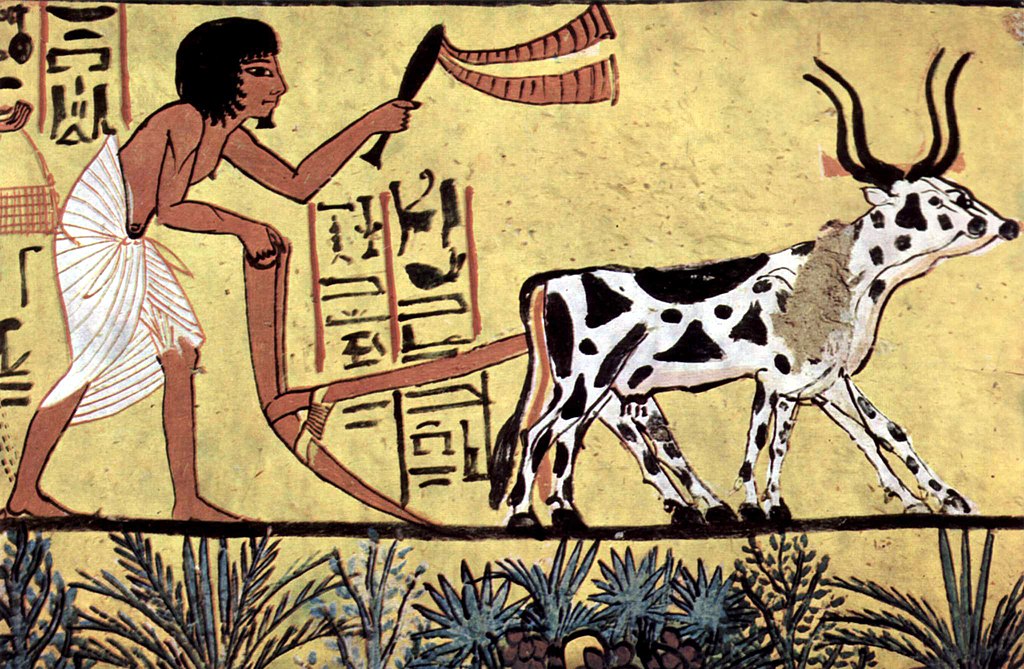
Agriculture is the cultivation of land and
breeding of animals and plants to
provide food, fiber, medicinal
plants and other products to sustain and enhance life. Agriculture
was the key development in the rise of sedentary human
civilization, whereby farming of domesticated species
created food surpluses that
enabled people to live in cities. The study of agriculture is known as agricultural
science. The history of
agriculture dates back thousands of years; people gathered wild
grains at least 105,000 years ago and began to plant them around 11,500 years
ago before they became domesticated. Pigs, sheep, and cattle were domesticated
over 10,000 years ago. Crops originate from at least 11 regions of the world. Industrial
agriculture based on large-scale monoculture has
in the past century come to dominate agricultural output, though about 2
billion people worldwide still depend on subsistence
agriculture.
Modern agronomy, plant
breeding, agrochemicals such
as pesticides and fertilizers,
and technological developments have sharply increased yields from cultivation,
but at the same time have caused widespread ecological and environmental
damage. Selective
breeding and modern practices in animal
husbandry have similarly increased the output of meat, but have
raised concerns about animal
welfare and environmental damage through contributions to global
warming, depletion of aquifers, deforestation, antibiotic
resistance, and growth
hormones in industrially
produced meat. Genetically
modified organisms are widely used, although they are banned in
several countries.
The major agricultural products can
be broadly grouped into foods, fibers, fuels,
and raw materials (such
as rubber).
Classes of foods include cereals (grains), vegetables, fruits, oils, meat, milk, fungi and eggs.
Over one-third of the world's workers are employed in agriculture, second only
to the service sector, although the number of agricultural workers in developed
countries has decreased significantly over the past several centuries.
Hi. I’m Designer of Blog Magic. I’m CEO/Founder of ThemeXpose. I’m Creative Art Director, Web Designer, UI/UX Designer, Interaction Designer, Industrial Designer, Web Developer, Business Enthusiast, StartUp Enthusiast, Speaker, Writer and Photographer. Inspired to make things looks better.


0 comments:
Post a Comment